Buy vfool.com ?
We are moving the project
vfool.com .
Are you interested in purchasing the domain
vfool.com ?
domain@kv-gmbh.de · 0541-91531010
Buy vfool.com ?
What are trophic levels and trophic structures?
Trophic levels refer to the hierarchical levels in an ecosystem through which energy and nutrients flow. They represent the feeding positions of different organisms in a food chain or food web. Trophic structures, on the other hand, describe the organization of these trophic levels within an ecosystem. This includes the distribution of energy and nutrients among different organisms, as well as the interactions and relationships between them. Overall, trophic levels and trophic structures are important concepts for understanding the flow of energy and nutrients in ecosystems and the dynamics of food chains and food webs. **
Are trophic levels and trophic levels the same in biology?
No, trophic levels and trophic levels are not the same in biology. Trophic levels refer to the hierarchical levels in an ecosystem based on an organism's position in the food chain, such as producers, primary consumers, secondary consumers, etc. On the other hand, trophic cascades are the indirect effects that occur when a change in one trophic level impacts other trophic levels in the ecosystem. Both concepts are important in understanding the dynamics of energy flow and interactions within ecosystems. **
Similar search terms for Trophic
Top-Angebote
Products related to Trophic:
-
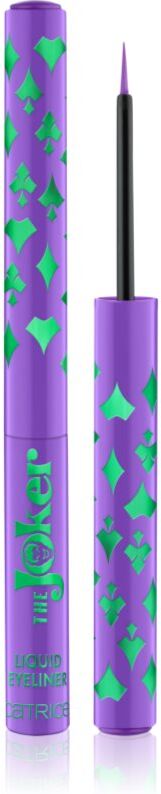
Catrice The Joker liquid eyeliner shade 010 Eye-ronic Jester 3 mlCatrice The Joker, 3 ml, Eyeliner for Women, Do you want to accentuate your eye contours and draw attention to your eyes? Catrice The Joker will help you do just that. It gives your look additional intensity and drama, accentuating the effects of any additional makeup products. Its easy-to-apply texture allows you to line your eyes precisely with bold, rich colour in just one stroke, framing your eyes perfectly and enhancing their beauty. No matter the occasion, it makes it quick and easy to achieve a perfect makeup look that lasts. Characteristics: rich and intense colour draws precise lines ultra-thin applicator matte look How to use: Draw the liner gently across the eyelid. Leave to dry.1,60 £*Shipping: 3,99 £Secure redirect to the provider
-
HomeDecorAndMore LLC Silly Succulent Plushies 3Pcs SucculentDo you want your succulent plant to be a constant companion Regardless of whether you're reading or working on your laptop Wear your dream a reality cloak with our Silly Succulent Plushies! It’s cuddly soft and supremely cute. And, what's more, its...39,97 $*Shipping: 0,00 $Secure redirect to the provider
-
Uplift Picks Funny Silly Walk Wall Clock Creative Silent Novelty Home Decor Funny Silly Walk Wall Clock Creative Silent Novelty Home DecorAdd humor and personality to your space with this eyecatching funny wall clock inspired by playful artistic design. Featuring a quirky walking figure, this novelty wall clock turns timekeeping into a fun visual experience. Its creative style makes...80,50 $*Shipping: 0,00 $Secure redirect to the provider
-
Sphere Carole Matthews Humourous Comedy Fiction 10 Books Collection SetNell McNamara has a happy life: her boyfriend Olly adores her, their four-year-old daughter Petal is the centre of their world and Nell has a steady job in the local chip shop. When the chippy needs a makeover, Nell jumps at the chance to unleash the creativity fizzing inside her. Titles in this set: More to Life Than This Summer Daydreams You Drive Me Crazy A Cottage by the Sea A Compromising Position For Better, For Worse Welcome to the Real World Sunny Days & Sea Breezes Christmas for Beginners With or Without You25,99 £*Shipping: 2,99 £Secure redirect to the provider



-
Are trophic levels and trophic levels the same thing in biology?
No, "trophic levels" and "trophic levels" are not the same thing in biology. "Trophic levels" refer to the hierarchical levels in an ecosystem based on an organism's position in the food chain, such as producers, primary consumers, secondary consumers, and so on. On the other hand, "trophic levels" appears to be a typographical error or a repetition of the term "trophic levels." In biology, it is important to use accurate and specific terminology to avoid confusion and miscommunication. **
-
Why do organisms become larger from trophic level to trophic level?
Organisms become larger from trophic level to trophic level due to the efficiency of energy transfer in ecosystems. As energy is transferred from one trophic level to the next, there is a loss of energy in the form of heat and metabolic processes. Larger organisms are able to consume more energy-rich food sources and have a more efficient metabolism, allowing them to grow in size as they move up the food chain. Additionally, larger organisms are better equipped to capture and consume prey, giving them a competitive advantage in obtaining energy and resources. **
-
Why do organisms get larger from trophic level to trophic level?
Organisms tend to get larger from one trophic level to the next because as energy is transferred up the food chain, there is a loss of energy at each level. This means that organisms at higher trophic levels need to consume larger quantities of organisms from lower trophic levels to obtain enough energy to sustain themselves. Additionally, larger organisms are more efficient at capturing and consuming prey, allowing them to thrive at higher trophic levels. Finally, larger organisms have a lower surface area to volume ratio, which helps them retain heat and energy more effectively. **
-
Why does the biomass decrease from trophic level to trophic level?
Biomass decreases from trophic level to trophic level because energy is lost as it moves through the food chain. Organisms at each trophic level use some of the energy they consume for their own metabolic processes, such as respiration and movement, and the rest is lost as heat. This means that there is less energy available to be passed on to the next trophic level, resulting in a decrease in biomass. Additionally, not all of the energy from one trophic level is consumed by the next level, as some is lost through waste and uneaten parts of organisms. **

What are trophic levels in biology?
Trophic levels in biology refer to the hierarchical levels in an ecosystem where organisms are grouped based on their feeding relationships. The primary producers, such as plants, are at the base of the trophic levels as they convert sunlight into energy through photosynthesis. Herbivores that feed on plants are at the next level, followed by carnivores that eat herbivores. Each trophic level represents a transfer of energy and nutrients through the ecosystem, with energy decreasing as it moves up the levels. **
What is the trophic level of omnivores?
Omnivores are organisms that consume both plants and animals, so their trophic level can vary. When they consume plants, they are considered primary consumers (herbivores) and when they consume animals, they are considered secondary consumers (carnivores). This means that omnivores can occupy multiple trophic levels within a food web, depending on their diet. **
Top-Angebote
Products related to Trophic:
-
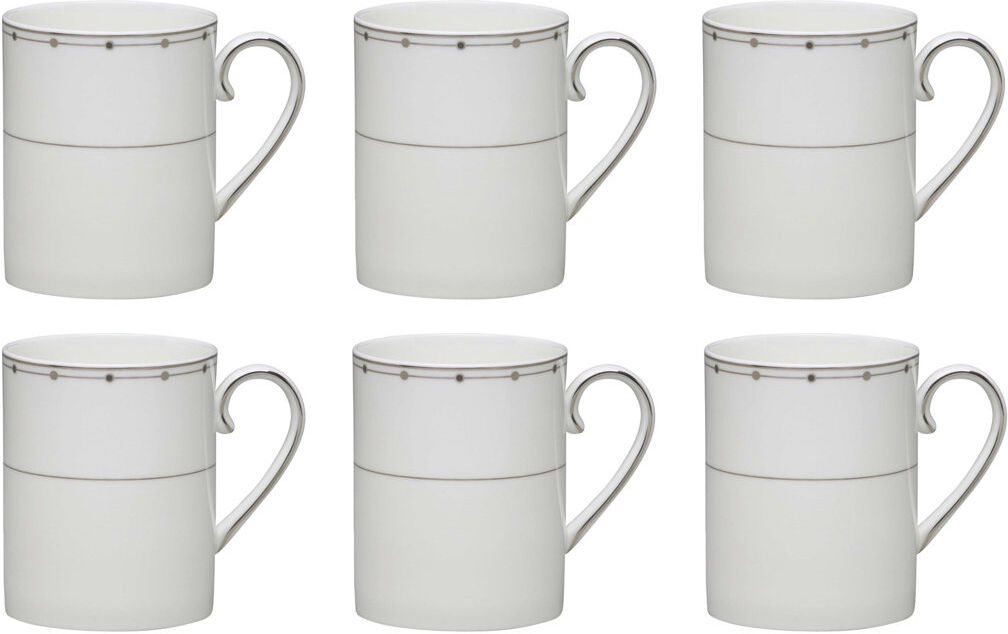
Elia Jester Bone China Coffee Mug Cream 28mlElia’s Jester range has the benefit of being perfectly at home both in a modern or traditional setting. With its beautiful real Platinum and shining black design, it is understated sophistication at its finest. This stunning Fine Bone China range has a delicate decoration but it is undoubtedly of strong and durable construction. Not suitable for use in microwave ovens, hand wash recommended. This set includes 6 x pieces of the Jester Fine Bone China Mugs. Elia76,99 £*Shipping: 0,00 £Secure redirect to the provider
-
Uplifted Trends Rocky Raccoon Magic Trick Toy Comedy Stage Gimmick Rocky Raccoon Magic Trick Toy Comedy Stage GimmickDelight your audience with the Rocky Raccoon Magic Trick Toy, a hilarious and captivating prop that brings laughter and wonder to any performance. Perfect for magicians, entertainers, or anyone who loves fun surprises, this springloaded magic...39,97 $*Shipping: 0,00 $Secure redirect to the provider
-
Catrice The Joker liquid eyeliner shade 010 Eye-ronic Jester 3 mlCatrice The Joker, 3 ml, Eyeliner for Women, Do you want to accentuate your eye contours and draw attention to your eyes? Catrice The Joker will help you do just that. It gives your look additional intensity and drama, accentuating the effects of any additional makeup products. Its easy-to-apply texture allows you to line your eyes precisely with bold, rich colour in just one stroke, framing your eyes perfectly and enhancing their beauty. No matter the occasion, it makes it quick and easy to achieve a perfect makeup look that lasts. Characteristics: rich and intense colour draws precise lines ultra-thin applicator matte look How to use: Draw the liner gently across the eyelid. Leave to dry.1,60 £*Shipping: 3,99 £Secure redirect to the provider
-
HomeDecorAndMore LLC Silly Succulent Plushies 3Pcs SucculentDo you want your succulent plant to be a constant companion Regardless of whether you're reading or working on your laptop Wear your dream a reality cloak with our Silly Succulent Plushies! It’s cuddly soft and supremely cute. And, what's more, its...39,97 $*Shipping: 0,00 $Secure redirect to the provider
-
What are trophic levels and trophic structures?
Trophic levels refer to the hierarchical levels in an ecosystem through which energy and nutrients flow. They represent the feeding positions of different organisms in a food chain or food web. Trophic structures, on the other hand, describe the organization of these trophic levels within an ecosystem. This includes the distribution of energy and nutrients among different organisms, as well as the interactions and relationships between them. Overall, trophic levels and trophic structures are important concepts for understanding the flow of energy and nutrients in ecosystems and the dynamics of food chains and food webs. **
-
Are trophic levels and trophic levels the same in biology?
No, trophic levels and trophic levels are not the same in biology. Trophic levels refer to the hierarchical levels in an ecosystem based on an organism's position in the food chain, such as producers, primary consumers, secondary consumers, etc. On the other hand, trophic cascades are the indirect effects that occur when a change in one trophic level impacts other trophic levels in the ecosystem. Both concepts are important in understanding the dynamics of energy flow and interactions within ecosystems. **
-
Are trophic levels and trophic levels the same thing in biology?
No, "trophic levels" and "trophic levels" are not the same thing in biology. "Trophic levels" refer to the hierarchical levels in an ecosystem based on an organism's position in the food chain, such as producers, primary consumers, secondary consumers, and so on. On the other hand, "trophic levels" appears to be a typographical error or a repetition of the term "trophic levels." In biology, it is important to use accurate and specific terminology to avoid confusion and miscommunication. **
-
Why do organisms become larger from trophic level to trophic level?
Organisms become larger from trophic level to trophic level due to the efficiency of energy transfer in ecosystems. As energy is transferred from one trophic level to the next, there is a loss of energy in the form of heat and metabolic processes. Larger organisms are able to consume more energy-rich food sources and have a more efficient metabolism, allowing them to grow in size as they move up the food chain. Additionally, larger organisms are better equipped to capture and consume prey, giving them a competitive advantage in obtaining energy and resources. **
Similar search terms for Trophic
-
Uplift Picks Funny Silly Walk Wall Clock Creative Silent Novelty Home Decor Funny Silly Walk Wall Clock Creative Silent Novelty Home DecorAdd humor and personality to your space with this eyecatching funny wall clock inspired by playful artistic design. Featuring a quirky walking figure, this novelty wall clock turns timekeeping into a fun visual experience. Its creative style makes...80,50 $*Shipping: 0,00 $Secure redirect to the provider
-
Sphere Carole Matthews Humourous Comedy Fiction 10 Books Collection SetNell McNamara has a happy life: her boyfriend Olly adores her, their four-year-old daughter Petal is the centre of their world and Nell has a steady job in the local chip shop. When the chippy needs a makeover, Nell jumps at the chance to unleash the creativity fizzing inside her. Titles in this set: More to Life Than This Summer Daydreams You Drive Me Crazy A Cottage by the Sea A Compromising Position For Better, For Worse Welcome to the Real World Sunny Days & Sea Breezes Christmas for Beginners With or Without You25,99 £*Shipping: 2,99 £Secure redirect to the provider
-
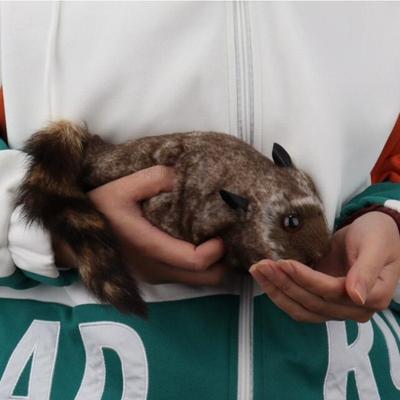
ModernMart Robbie The Rocky Raccoon Life Like Magic Raccoon Toy For Tricks & Comedy Robbie The Rocky Raccoon Life Like Magic Raccoon Toy For Tricks & Comedy"Bring laughter and amazement to any room with Robbie, the Rocky Raccoon! This handoperated spring animal puppet delights with lifelike movementshe eats from your hand, nods ""yes"" or ""no,"" and even dances. Perfect for magic enthusiasts, performers,..."39,97 $*Shipping: 0,00 $Secure redirect to the provider
-
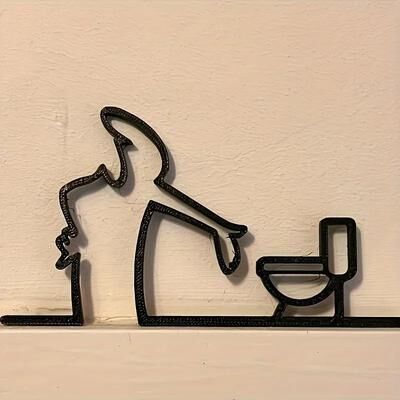
Uplifted Finds Funny Bathroom Metal Wall Art Toilet Humor Decor Funny Bathroom Metal Wall Art Toilet Humor DecorAdd a bold sense of humor to your bathroom with this minimalist 2D metal wall art featuring a playful toilet scene design. Crafted in a clean black outline style, this modern decor piece instantly becomes a conversation starter while blending...49,97 $*Shipping: 0,00 $Secure redirect to the provider
-
Why do organisms get larger from trophic level to trophic level?
Organisms tend to get larger from one trophic level to the next because as energy is transferred up the food chain, there is a loss of energy at each level. This means that organisms at higher trophic levels need to consume larger quantities of organisms from lower trophic levels to obtain enough energy to sustain themselves. Additionally, larger organisms are more efficient at capturing and consuming prey, allowing them to thrive at higher trophic levels. Finally, larger organisms have a lower surface area to volume ratio, which helps them retain heat and energy more effectively. **
-
Why does the biomass decrease from trophic level to trophic level?
Biomass decreases from trophic level to trophic level because energy is lost as it moves through the food chain. Organisms at each trophic level use some of the energy they consume for their own metabolic processes, such as respiration and movement, and the rest is lost as heat. This means that there is less energy available to be passed on to the next trophic level, resulting in a decrease in biomass. Additionally, not all of the energy from one trophic level is consumed by the next level, as some is lost through waste and uneaten parts of organisms. **
-
What are trophic levels in biology?
Trophic levels in biology refer to the hierarchical levels in an ecosystem where organisms are grouped based on their feeding relationships. The primary producers, such as plants, are at the base of the trophic levels as they convert sunlight into energy through photosynthesis. Herbivores that feed on plants are at the next level, followed by carnivores that eat herbivores. Each trophic level represents a transfer of energy and nutrients through the ecosystem, with energy decreasing as it moves up the levels. **
-
What is the trophic level of omnivores?
Omnivores are organisms that consume both plants and animals, so their trophic level can vary. When they consume plants, they are considered primary consumers (herbivores) and when they consume animals, they are considered secondary consumers (carnivores). This means that omnivores can occupy multiple trophic levels within a food web, depending on their diet. **
* All prices are inclusive of VAT and, if applicable, plus shipping costs. The offer information is based on the details provided by the respective shop and is updated through automated processes. Real-time updates do not occur, so deviations can occur in individual cases. ** Note: Parts of this content were created by AI.