Buy vfool.com ?
We are moving the project
vfool.com .
Are you interested in purchasing the domain
vfool.com ?
domain@kv-gmbh.de · 0541-91531010
Buy vfool.com ?
Can you explain saponification?
Saponification is a chemical reaction that occurs when a fat or oil is mixed with a strong alkali, such as sodium hydroxide (lye), resulting in the formation of soap and glycerin. During saponification, the alkali breaks down the ester bonds in the fat molecules, releasing fatty acids and glycerol. The fatty acids then react with the alkali to form soap molecules, while glycerin is a byproduct of the reaction. This process is commonly used in the production of soap. **
How does saponification work in chemistry?
Saponification is a chemical reaction that involves the hydrolysis of ester bonds in fats and oils by a strong base, typically sodium hydroxide or potassium hydroxide. This reaction results in the formation of glycerol and soap molecules, which are the salts of fatty acids. The hydroxide ions from the base break the ester bonds in the triglyceride molecules, releasing the fatty acids and glycerol. The fatty acids then react with the metal ions from the base to form soap molecules, which are soluble in water and have detergent properties. **

Similar search terms for Saponification
Top-Angebote
Products related to Saponification:
-
HomeDecorAndMore LLC Silly Succulent Plushies 3Pcs SucculentDo you want your succulent plant to be a constant companion Regardless of whether you're reading or working on your laptop Wear your dream a reality cloak with our Silly Succulent Plushies! It’s cuddly soft and supremely cute. And, what's more, its...39,97 $*Shipping: 0,00 $Secure redirect to the provider
-
Catrice The Joker liquid eyeliner shade 010 Eye-ronic Jester 3 mlCatrice The Joker, 3 ml, Eyeliner for Women, Do you want to accentuate your eye contours and draw attention to your eyes? Catrice The Joker will help you do just that. It gives your look additional intensity and drama, accentuating the effects of any additional makeup products. Its easy-to-apply texture allows you to line your eyes precisely with bold, rich colour in just one stroke, framing your eyes perfectly and enhancing their beauty. No matter the occasion, it makes it quick and easy to achieve a perfect makeup look that lasts. Characteristics: rich and intense colour draws precise lines ultra-thin applicator matte look How to use: Draw the liner gently across the eyelid. Leave to dry.1,60 £*Shipping: 3,99 £Secure redirect to the provider
-
Uplift Picks Funny Silly Walk Wall Clock Creative Silent Novelty Home Decor Funny Silly Walk Wall Clock Creative Silent Novelty Home DecorAdd humor and personality to your space with this eyecatching funny wall clock inspired by playful artistic design. Featuring a quirky walking figure, this novelty wall clock turns timekeeping into a fun visual experience. Its creative style makes...80,50 $*Shipping: 0,00 $Secure redirect to the provider
-
Uplifted Finds Funny Bathroom Metal Wall Art Toilet Humor Decor Funny Bathroom Metal Wall Art Toilet Humor DecorAdd a bold sense of humor to your bathroom with this minimalist 2D metal wall art featuring a playful toilet scene design. Crafted in a clean black outline style, this modern decor piece instantly becomes a conversation starter while blending...49,97 $*Shipping: 0,00 $Secure redirect to the provider



-
Is this saponification reaction equation correct?
Yes, the saponification reaction equation provided is correct. Saponification is the process of making soap by reacting a fat or oil with a strong base, such as sodium hydroxide or potassium hydroxide. The reaction results in the formation of soap (sodium or potassium salts of fatty acids) and glycerol. The equation shown accurately represents this chemical transformation. **
-
What are chemical reactions in saponification?
Chemical reactions in saponification involve the reaction of a fat or oil with a strong base, typically sodium hydroxide or potassium hydroxide. This reaction results in the formation of soap and glycerol. The fatty acids in the fat or oil react with the base to form the soap molecules, while glycerol is a byproduct of the reaction. Saponification is a key process in soap-making and is essential for the production of soap. **
-
What is the equation for saponification?
The general equation for saponification is: ester + base → alcohol + carboxylate salt. In the specific case of the saponification of a triglyceride (fat or oil) with a strong base such as sodium hydroxide, the equation is: triglyceride + sodium hydroxide → glycerol + 3 fatty acid salts. **
-
How can one derive the saponification value?
The saponification value can be derived by determining the amount of potassium hydroxide (KOH) or sodium hydroxide (NaOH) required to saponify a specific amount of fat or oil. This is typically done through a chemical reaction where the fat or oil is mixed with a known concentration of KOH or NaOH. The amount of KOH or NaOH used in the reaction is then measured, and the saponification value is calculated based on the molecular weight of the fat or oil. This value is important in determining the amount of alkali needed for soap making or in assessing the purity of fats and oils. **


How can one determine the saponification value?
The saponification value can be determined by performing a chemical reaction called saponification on a known weight of the fat or oil sample. This reaction involves the hydrolysis of the ester bonds in the fat or oil with a strong base, such as potassium hydroxide. The amount of base required to saponify the fat or oil is then measured, and the saponification value is calculated based on the weight of the sample and the amount of base used. This value is expressed as the number of milligrams of potassium hydroxide required to saponify one gram of the fat or oil sample. **
What is the reaction equation for saponification?
The reaction equation for saponification involves the hydrolysis of an ester, typically a triglyceride, with a strong base such as sodium hydroxide or potassium hydroxide. The general equation for saponification is: Ester + Base → Alcohol + Salt of Fatty Acid. For example, in the saponification of a triglyceride like olive oil, the reaction equation would be: Triglyceride (olive oil) + 3NaOH → Glycerol + 3 Sodium Salts of Fatty Acids (soap). **
Top-Angebote
Products related to Saponification:
-
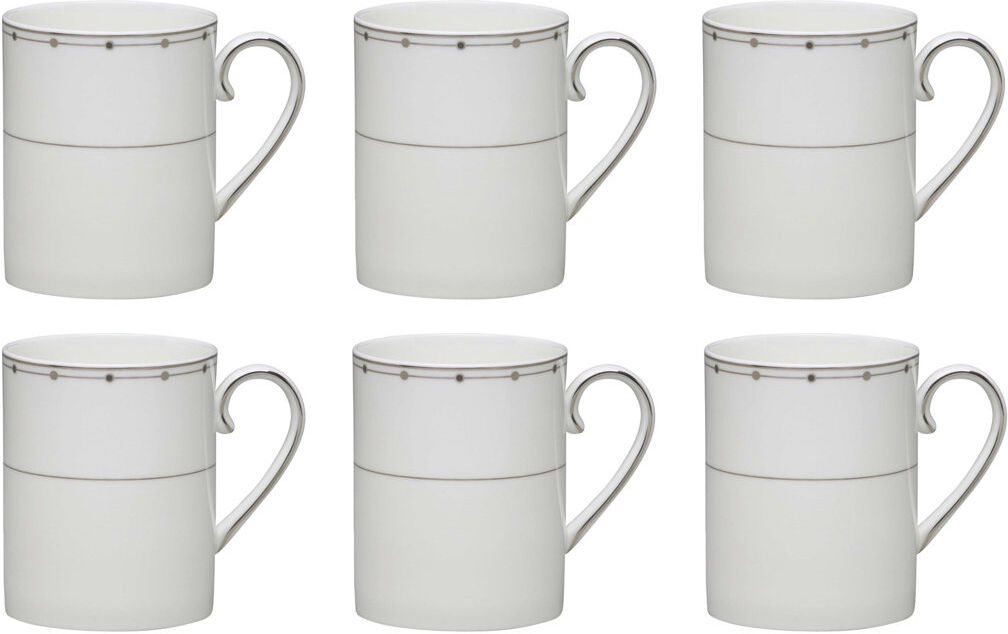
Elia Jester Bone China Coffee Mug Cream 28mlElia’s Jester range has the benefit of being perfectly at home both in a modern or traditional setting. With its beautiful real Platinum and shining black design, it is understated sophistication at its finest. This stunning Fine Bone China range has a delicate decoration but it is undoubtedly of strong and durable construction. Not suitable for use in microwave ovens, hand wash recommended. This set includes 6 x pieces of the Jester Fine Bone China Mugs. Elia76,99 £*Shipping: 0,00 £Secure redirect to the provider
-
Uplifted Trends Rocky Raccoon Magic Trick Toy Comedy Stage Gimmick Rocky Raccoon Magic Trick Toy Comedy Stage GimmickDelight your audience with the Rocky Raccoon Magic Trick Toy, a hilarious and captivating prop that brings laughter and wonder to any performance. Perfect for magicians, entertainers, or anyone who loves fun surprises, this springloaded magic...39,97 $*Shipping: 0,00 $Secure redirect to the provider
-
HomeDecorAndMore LLC Silly Succulent Plushies 3Pcs SucculentDo you want your succulent plant to be a constant companion Regardless of whether you're reading or working on your laptop Wear your dream a reality cloak with our Silly Succulent Plushies! It’s cuddly soft and supremely cute. And, what's more, its...39,97 $*Shipping: 0,00 $Secure redirect to the provider
-
Catrice The Joker liquid eyeliner shade 010 Eye-ronic Jester 3 mlCatrice The Joker, 3 ml, Eyeliner for Women, Do you want to accentuate your eye contours and draw attention to your eyes? Catrice The Joker will help you do just that. It gives your look additional intensity and drama, accentuating the effects of any additional makeup products. Its easy-to-apply texture allows you to line your eyes precisely with bold, rich colour in just one stroke, framing your eyes perfectly and enhancing their beauty. No matter the occasion, it makes it quick and easy to achieve a perfect makeup look that lasts. Characteristics: rich and intense colour draws precise lines ultra-thin applicator matte look How to use: Draw the liner gently across the eyelid. Leave to dry.1,60 £*Shipping: 3,99 £Secure redirect to the provider
-
Can you explain saponification?
Saponification is a chemical reaction that occurs when a fat or oil is mixed with a strong alkali, such as sodium hydroxide (lye), resulting in the formation of soap and glycerin. During saponification, the alkali breaks down the ester bonds in the fat molecules, releasing fatty acids and glycerol. The fatty acids then react with the alkali to form soap molecules, while glycerin is a byproduct of the reaction. This process is commonly used in the production of soap. **
-
How does saponification work in chemistry?
Saponification is a chemical reaction that involves the hydrolysis of ester bonds in fats and oils by a strong base, typically sodium hydroxide or potassium hydroxide. This reaction results in the formation of glycerol and soap molecules, which are the salts of fatty acids. The hydroxide ions from the base break the ester bonds in the triglyceride molecules, releasing the fatty acids and glycerol. The fatty acids then react with the metal ions from the base to form soap molecules, which are soluble in water and have detergent properties. **
-
Is this saponification reaction equation correct?
Yes, the saponification reaction equation provided is correct. Saponification is the process of making soap by reacting a fat or oil with a strong base, such as sodium hydroxide or potassium hydroxide. The reaction results in the formation of soap (sodium or potassium salts of fatty acids) and glycerol. The equation shown accurately represents this chemical transformation. **
-
What are chemical reactions in saponification?
Chemical reactions in saponification involve the reaction of a fat or oil with a strong base, typically sodium hydroxide or potassium hydroxide. This reaction results in the formation of soap and glycerol. The fatty acids in the fat or oil react with the base to form the soap molecules, while glycerol is a byproduct of the reaction. Saponification is a key process in soap-making and is essential for the production of soap. **
Similar search terms for Saponification
-
Uplift Picks Funny Silly Walk Wall Clock Creative Silent Novelty Home Decor Funny Silly Walk Wall Clock Creative Silent Novelty Home DecorAdd humor and personality to your space with this eyecatching funny wall clock inspired by playful artistic design. Featuring a quirky walking figure, this novelty wall clock turns timekeeping into a fun visual experience. Its creative style makes...80,50 $*Shipping: 0,00 $Secure redirect to the provider
-
Uplifted Finds Funny Bathroom Metal Wall Art Toilet Humor Decor Funny Bathroom Metal Wall Art Toilet Humor DecorAdd a bold sense of humor to your bathroom with this minimalist 2D metal wall art featuring a playful toilet scene design. Crafted in a clean black outline style, this modern decor piece instantly becomes a conversation starter while blending...49,97 $*Shipping: 0,00 $Secure redirect to the provider
-
Northwest Hasbro Potato Head Seriously Silly Silk Touch Throw BlanketVersatile and lightweight, our Silk Touch Blanket is the perfect companion for any season. Whether you're enjoying a cozy movie night at home or adding an extra layer of comfort to your bedding, this blanket is sure to become your go-to favorite.39,99 $*Shipping: 0,00 $Secure redirect to the provider
-
Lucys Farm Lucy's Farm Silly Friesian Moo Design Adult ApronThe Lucy's Farm Silly Friesian Moo Design Adult Apron will ensure your clothes stay clean while baking and cooking. This playful and cheeky adult-sized apron is part of the Lucy's Friesian Moo Collection, with other matching items like oven gloves, tea towels, chopping boards and even fine bone china kitchenware, sold separately. Just one of the quirky characters Lucy encounters during her morning walks with Ned across the hills of the Isle of Purbeck. Made from high quality white 8oz Half Panama using ethically sourced cotton. The apron features an adjustable neck strap for comfort. Made in the UK.19,50 £*Shipping: 3,50 £Secure redirect to the provider
-
What is the equation for saponification?
The general equation for saponification is: ester + base → alcohol + carboxylate salt. In the specific case of the saponification of a triglyceride (fat or oil) with a strong base such as sodium hydroxide, the equation is: triglyceride + sodium hydroxide → glycerol + 3 fatty acid salts. **
-
How can one derive the saponification value?
The saponification value can be derived by determining the amount of potassium hydroxide (KOH) or sodium hydroxide (NaOH) required to saponify a specific amount of fat or oil. This is typically done through a chemical reaction where the fat or oil is mixed with a known concentration of KOH or NaOH. The amount of KOH or NaOH used in the reaction is then measured, and the saponification value is calculated based on the molecular weight of the fat or oil. This value is important in determining the amount of alkali needed for soap making or in assessing the purity of fats and oils. **
-
How can one determine the saponification value?
The saponification value can be determined by performing a chemical reaction called saponification on a known weight of the fat or oil sample. This reaction involves the hydrolysis of the ester bonds in the fat or oil with a strong base, such as potassium hydroxide. The amount of base required to saponify the fat or oil is then measured, and the saponification value is calculated based on the weight of the sample and the amount of base used. This value is expressed as the number of milligrams of potassium hydroxide required to saponify one gram of the fat or oil sample. **
-
What is the reaction equation for saponification?
The reaction equation for saponification involves the hydrolysis of an ester, typically a triglyceride, with a strong base such as sodium hydroxide or potassium hydroxide. The general equation for saponification is: Ester + Base → Alcohol + Salt of Fatty Acid. For example, in the saponification of a triglyceride like olive oil, the reaction equation would be: Triglyceride (olive oil) + 3NaOH → Glycerol + 3 Sodium Salts of Fatty Acids (soap). **
* All prices are inclusive of VAT and, if applicable, plus shipping costs. The offer information is based on the details provided by the respective shop and is updated through automated processes. Real-time updates do not occur, so deviations can occur in individual cases. ** Note: Parts of this content were created by AI.